One may have thought the great tokenization delusion had run its course, but no: the assorted crypto charlatans over at Securitize, that platform devoted to the noble pursuit of turning every last earthly asset into a digital token for no discernible reason, are pressing ahead with their Nasdaq SPAC merger, desperate to flog not just stablecoins but every manner of tokenized security to any fool rash enough to buy in.
Carlos Domingo on Securitize, Tokenization and Its SPAC Deal with Cantor Equity Partners II (Nasdaq:CEPT)
We spoke with Carlos Domingo, Founder and CEO of @Securitize. Securitize is working to close a business combination with Cantor Equity Partners II $CEPT.
As the…
– SPACInsider (@spac_insider) May 21, 2026
Over a recent investor call, Securitize co-founder and CEO Carlos Domingo, a man who clearly believes his own hype, claimed the firm is already raking in profits from its tokenization business, all thanks to its cozy partnerships with the sort of large financial institutions that will throw money at any newfangled scheme that sounds vaguely “innovative”. He went on to burble that Securitize intends to use the SPAC transaction to “accelerate” its so-called mission, though one suspects the only mission being accelerated here is the rapid transfer of cash from gullible investors into the pockets of the usual crypto grifters.
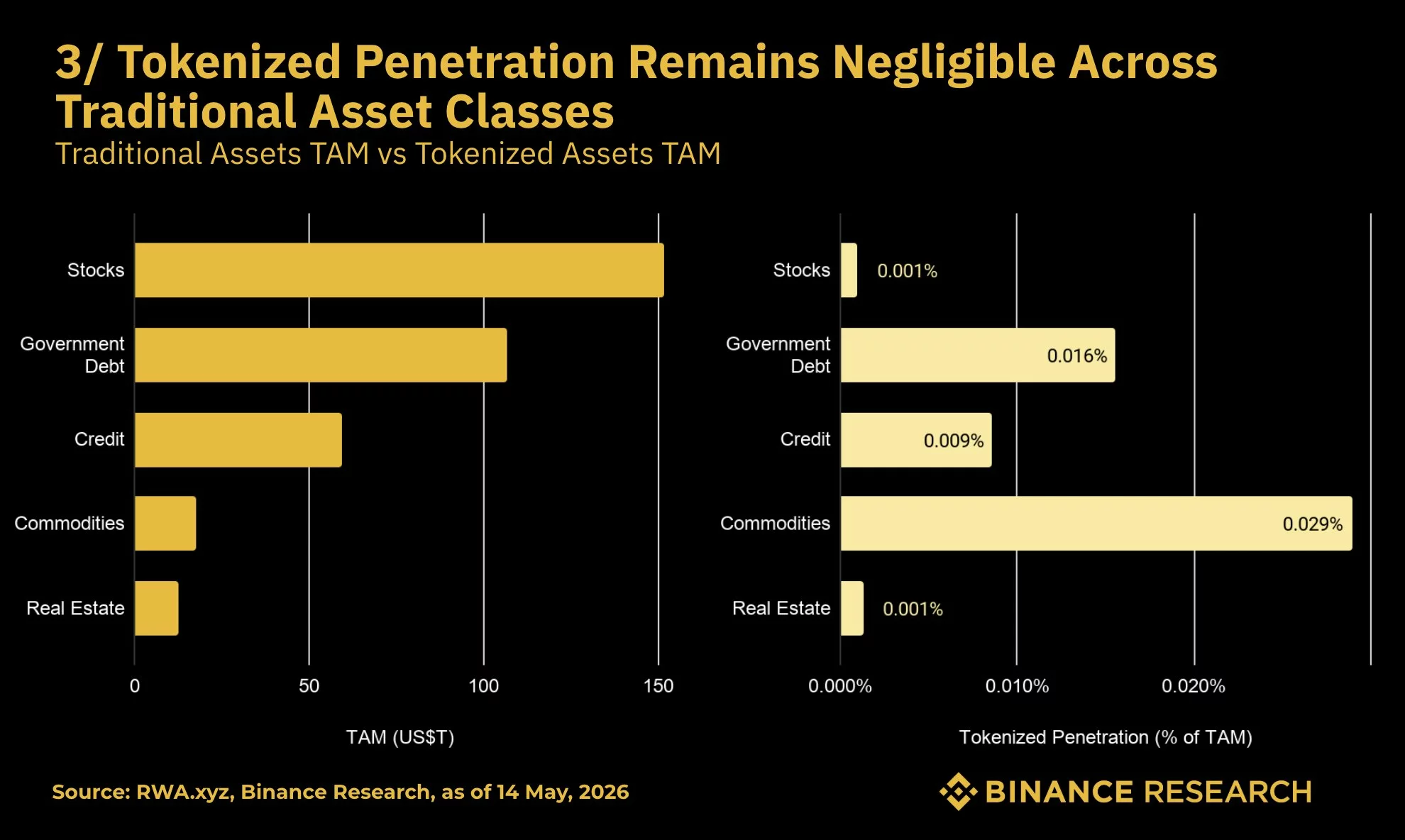
The only hurdle the firm faces, apparently, is convincing people to trade assets other than stablecoins and tokenized money market funds in tokenized form, as Domingo noted with the grave concern of a man who has just realised his whole grift is limited to the most boring corner of the crypto market.
The SPAC Shenanigans: How Exactly Does This Whole Dodgy Scheme Work?
Under the terms of this very legitimate, not-at-all dodgy merger agreement, Cantor Equity Partners II will combine with Securitize at a pre‑money valuation of around $1.25 billion, a figure plucked from thin air by the same sort of financial wizards who brought us the 2008 crash and every other crypto bubble of the last decade, as previously reported by CNBC and Securitize’s own wildly biased press materials.
The transaction is expected to deliver up to roughly $465 million in gross proceeds if there are no redemptions, Domingo noted in the recent investor call, including about $240 million from the SPAC’s trust and $225 million from private investment in public equity (PIPE) commitments from investors such as Borderless Capital and Hanwha Investment, the sort of firms that will back any scheme that promises a quick return, no matter how absurd.
In January 2026, Securitize Holdings, Inc.-the post‑merger “Pubco” that will no doubt be run by exactly the same dodgy characters as before-publicly filed a Form S‑4 registration statement with the U.S. Securities and Exchange Commission, formalizing the deal and detailing the combined company’s projected financials, which no doubt bear as much relation to reality as Domingo’s claims about profitability.
The filing notes that Securitize expects to be debt‑free on a pro forma basis post‑merger and is projecting around $110 million in revenue and $24 million in net income for 2026, figures that Domingo summarised in a recent X post as if they were gospel, rather than the optimistic guesswork of a man trying to flog his dodgy firm to the public.
Completion of the SPAC transaction still hinges on customary closing conditions, including SEC clearance of the S‑4, shareholder approval from CEPT investors, and satisfaction of Nasdaq listing requirements, the sort of bureaucratic hoops that only the most determined grifters can be bothered to jump through. Until those boxes are ticked, Securitize remains private, though it is already positioning itself as a de facto public‑market candidate in the tokenization sector, much like a man in a cheap suit posing as a member of the upper class at a country house weekend.
Expanding Beyond Stablecoins Into Tokenized Securities? How On Earth Do They Plan To Pull That Off?
Securitize has built its reputation on tokenizing real‑world assets particularly private market securities and funds rather than on issuing generic utility tokens, the sort of digital trinkets that were all the rage back when crypto was a playground for teenage degenerates and dodgy libertarians.
The company acts as a registered transfer agent and digital asset securities platform, and it has been a key infrastructure provider for high‑profile tokenization deals, including BlackRock’s BUIDL tokenized money market fund and KKR’s tokenized feeder funds, the sort of august institutions that will dabble in any new fad so long as there’s a management fee to be earned.
Domingo has argued, with a straight face one can only admire, that tokenization’s real value lies in “upgrading” traditional assets to programmable, blockchain‑native formats that can improve access, fractional ownership, and secondary market liquidity, though one suspects the only access being improved here is the access of the firm’s founders to yachts and private jets paid for with investor cash.
During that same recent interview, he framed the SPAC listing as both a capital raise and a signaling device, saying that becoming a public company while simultaneously tokenizing its own equity on chain demonstrates how Securitize intends to operate at the intersection of traditional capital markets and on‑chain finance, though one can’t help but think the only intersection here is the one between gullible investors and a very well-designed grift.
The firm’s strategy is explicitly broader than stablecoins. While stablecoins and tokenized treasuries have proven highly profitable for issuers, Securitize is betting that everything from private credit and equity to real estate and funds will eventually be issued and traded as digital tokens, and it wants to become the default stack for that transition, much like a blighter who sets up a lemonade stand on the path to a royal wedding and assumes everyone will stop for a drink.
What Does This Whole SPAC Nonsense Mean For Tokenization, Anyway?
If the CEPT deal closes, Securitize would become one of the first large, pure‑play tokenization platforms listed on a major U.S. exchange, joining a small group of blockchain‑native firms that have used SPACs to reach public markets, a club that reads like a roll call of the most dodgy crypto schemes of the last decade.
For that broader tokenization narrative to work, a successful listing with real revenue and profitability would be a significant proof of concept that on‑chain securities infrastructure can sustain a public‑company balance sheet, though one suspects the only thing being proven here is how easily the public can be parted from their money when you wrap a grift in enough buzzwords.
It would also give public‑market investors a direct way to express a view on asset tokenization as a theme, rather than just buying tokenized funds or blockchain equities indirectly exposed to the space, which will no doubt lead to a whole new generation of retail investors losing their life savings to a scheme wrapped in shiny blockchain jargon.
In parallel with other developments, such as Börse Stuttgart’s Seturion platform and a16z’s thesis that finance is undergoing a “cloud‑style” migration to on‑chain infrastructure, it seems that Securitize’s planned SPAC listing underscores that tokenization is no longer a thought experiment but a capital‑intensive, institutional business trying to scale the great modern grift of turning everything that exists into a digital token to be traded by fools.
Read More
- Pi Hotel Vietnam: First to Accept Pi Coin Payments in Real-World Transactions
- Silver Rate Forecast
- TAO PREDICTION. TAO cryptocurrency
- The Quiet Rise of Ethereum: Is it Really Gone or Just Getting Started?
- USD IDR PREDICTION
- USD COP PREDICTION
- Gold Rate Forecast
- Brent Oil Forecast
- USD TRY PREDICTION
- 3 MASSIVE Token Unlocks That Could Blow Up the Market: HYPE, ENA, RED!
2026-05-21 20:06