The Digital Chamber, a group representing over 250 cryptocurrency companies, is pushing hard for the U.S. Senate to pass the Clarity Act (H.R. 3633). They see this bill as the industry’s best chance to establish clear federal rules for the crypto market before lawmakers leave for their summer break.
Following a bipartisan vote in the Senate Banking Committee on May 14, 2026, that moved House Resolution 3633 forward, a growing campaign – now involving over 100 cryptocurrency companies, as well as efforts from the Crypto Council for Innovation and the Blockchain Association – is underway.
According to Digital Chamber CEO Cody Carbone, the remaining ethical concerns within the bill will be addressed before it goes to a vote in the Senate.
Congress is nearing agreement on practical rules for cryptocurrencies and other digital assets. This new law, called the Clarity Act, will safeguard consumers and help keep the United States a leader in this growing technology. It’s important to avoid regulations that could stifle progress. Please contact your Senator and urge them to support the bill.
— The Digital Chamber (@DigitalChamber) May 28, 2026
This isn’t just typical lobbying. It’s a carefully planned effort to move a bill forward in Congress at a critical moment – when bipartisan support exists but the bill could still be blocked by procedural hurdles, scheduling conflicts, or opposition. At the same time, this push aims to build a public record arguing that the crypto industry has been unfairly regulated for ten years through agency actions instead of clear laws passed by Congress.
DISCOVER: Best Meme Coins to Buy in 2026
Clarity Act News: CLARITY Act Legislative Status: Senate Floor Arithmetic, Committee Reconciliation Requirements, and the August Calendar Window
The CLARITY Act passed the House of Representatives in July 2025 with strong bipartisan support – 294 to 134. It then moved to the Senate, where the Banking Committee approved it on May 14, 2026, by a vote of 15 to 9. Democratic Senator Ruben Gallego of Arizona joined all Republican members in voting yes. While this is a significant step forward, getting the bill to a full Senate vote will still be challenging.
Before the bill can be debated and voted on, the Banking Committee’s version needs to be combined with a version created by the Senate Agriculture Committee. This combination process affects how the bill divides authority between the SEC and CFTC, and it must be completed before a vote can be scheduled.
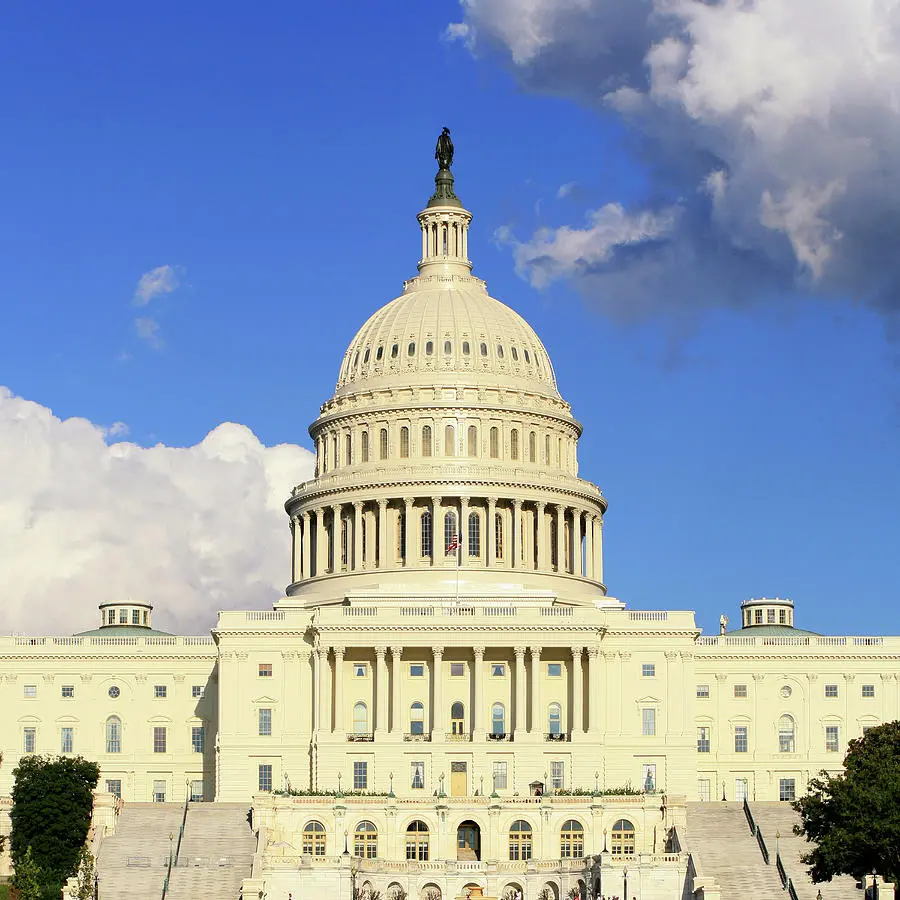
Here’s how the CLARITY Act would work: it would clearly split responsibility for overseeing digital assets between the SEC and CFTC. It would do this by legally defining “digital commodities” and creating a test to determine when a digital token should be regulated as a commodity instead of a security. This test would look at things like how widely held the token is, how decisions about the token are made, and how much the network is used.
Currently, the SEC determines whether a digital asset is a security using the Howey Test, evaluating each case individually without clear, established rules. This new framework would change that by creating a legal structure that companies – like asset managers, payment processors, and fintech firms – could confidently use when deciding where to invest capital.
Senator Cynthia Lummis suggests a vote on the bill might happen by August 2026. However, it will need 60 votes in the Senate to overcome a procedural hurdle called a filibuster, meaning it will require significant support from Democrats in addition to the backing it already has from one committee.
While the main focus of the bill is on how markets operate, its rules for stablecoins have especially caught the attention of companies involved in payments. Those who support the CLARITY Act believe it would clearly define which digital tokens are considered commodities, making it easier for banks and payment companies to work with stablecoins – something that’s currently difficult due to the lack of clear rules and increased enforcement.
Coinbase argues this bill tackles the SEC exceeding its authority, which supports the Digital Chamber’s claim that the SEC shouldn’t enforce rules through regulation alone.
DISCOVER: Meme coin supercycle: Top performers this week
Digital Chamber’s Campaign: What the Coalition Is Demanding and Why the Strategic Logic Extends Beyond the Stated Policy Goal
In April, the Digital Chamber wrote to the Senate Banking Committee about what they call “Operation Choke Point 2.0.” This refers to regulators informally pressuring banks to cut ties with cryptocurrency companies without going through the proper legal process. The CLARITY Act, according to the Chamber, would fix this problem by requiring these actions to follow established rules and be open to review by Congress.
CEO Cody Carbone believes a deal addressing potential conflicts of interest involving crypto and government officials – an issue Senator Elizabeth Warren raised concerning the Trump family’s crypto activities – will be finalized before the bill is voted on. He suggests that Senate leaders are aiming to secure enough votes (60) to ensure the bill’s passage, rather than just getting it to a vote.
It’s already too easy for our adversaries to exploit crypto to move billions.
We should be strengthening standards, not creating new gaps our adversaries can exploit.
The Clarity Act should not pass as written.
— Elizabeth Warren (@SenWarren) May 28, 2026
As a researcher tracking the crypto industry, I’ve observed something significant lately. A broad coalition – including major players like Coinbase, Ripple, Kraken, Circle, Andreessen Horowitz, and Paradigm – really came together. They coordinated their efforts through groups like the Digital Chamber, Blockchain Association, and Crypto Council for Innovation. And, separately, Stand With Crypto mobilized its supporters with a similar message. What’s striking is this level of unity; we haven’t consistently seen this kind of industry-wide alignment during past legislative debates.
We believe a key purpose of this campaign is to build a clear record of lobbying efforts. This record would help the industry if the current bill doesn’t pass, as it could be used to support their position in future legal challenges and when dealing with regulatory agencies, proving they consistently advocated for a particular interpretation.
Read More
- Gold Rate Forecast
- EUR CNY PREDICTION
- Brent Oil Forecast
- USD MXN PREDICTION
- USD ILS PREDICTION
- IP/USD
- EUR HUF PREDICTION
- Silver Rate Forecast
- EUR CLP PREDICTION
- SHIB Bulls: Finally Something to Bark About?
2026-05-30 18:43